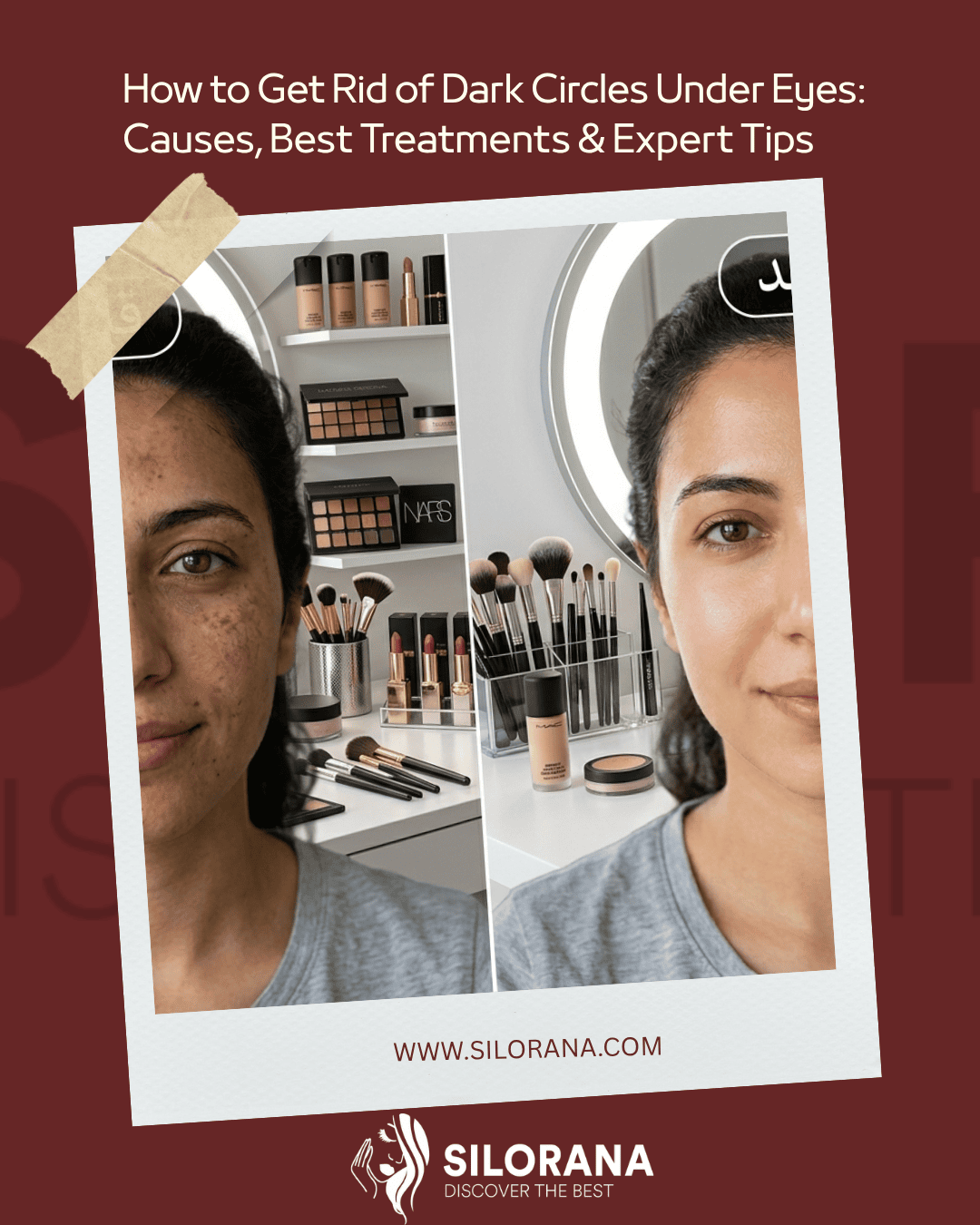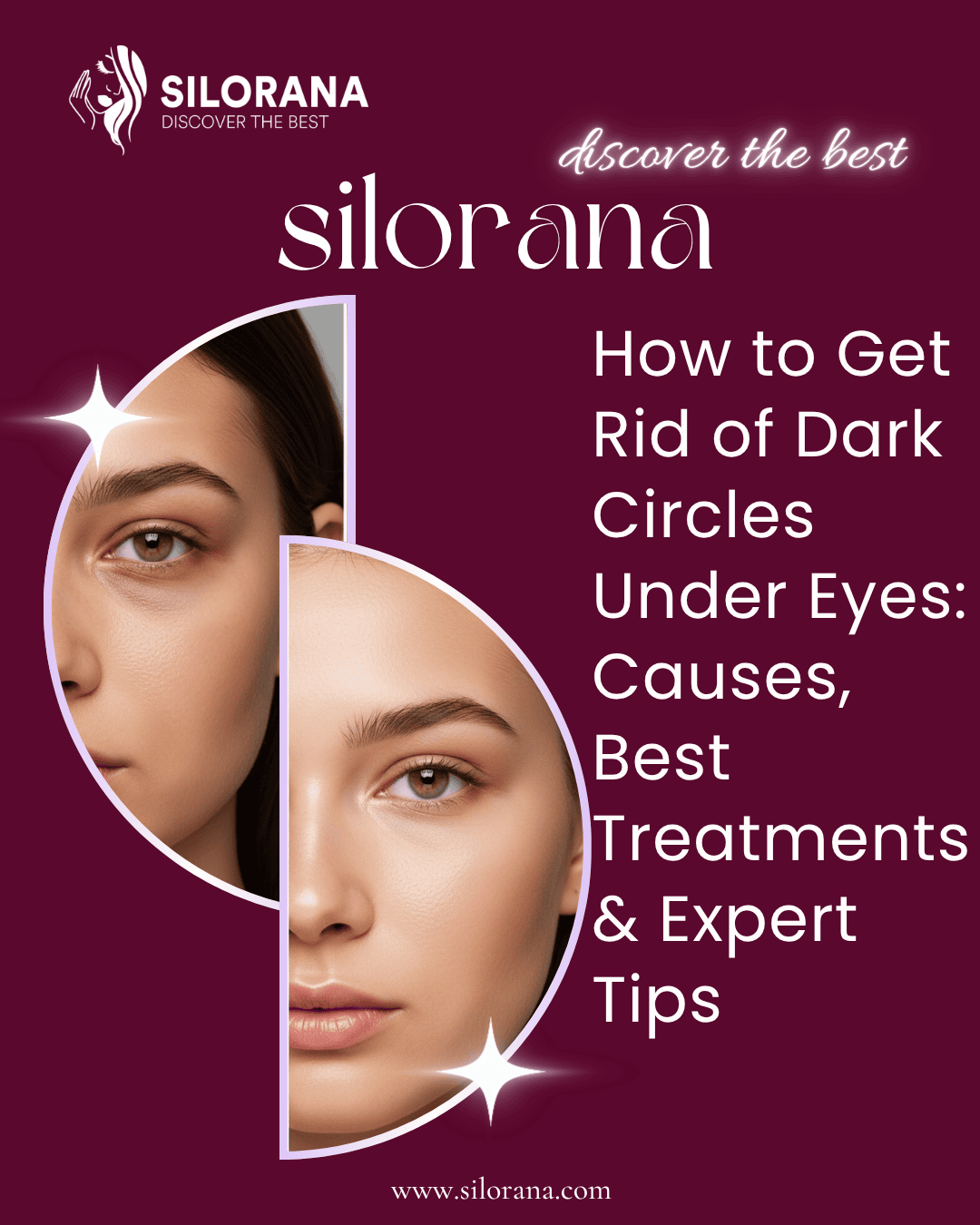
Struggling with dark circles under your eyes? Discover the real causes, proven home remedies, and the best skincare products recommended by Silorana experts to brighten your under-eye area for good.
How to Get Rid of Dark Circles Under Eyes: Causes, Best Treatments & Expert Tips
Introduction
Dark circles under the eyes are one of the most common — and most frustrating — beauty concerns in the world. They make you look tired even after a full night’s sleep, older than you actually are, and no matter how flawless the rest of your makeup looks, those shadows under your eyes always seem to steal the spotlight.
Here at Silorana, we’ve tested dozens of products, reviewed thousands of customer experiences, and consulted the latest dermatological research to bring you the most complete guide to understanding and treating dark circles. Whether yours are caused by genetics, lifestyle, or aging, this guide has the answers you’ve been looking for.
In this article from SILORANA, we will take you on a comprehensive journey to learn about everything foundation that looks like your skin, only better and effective steps.
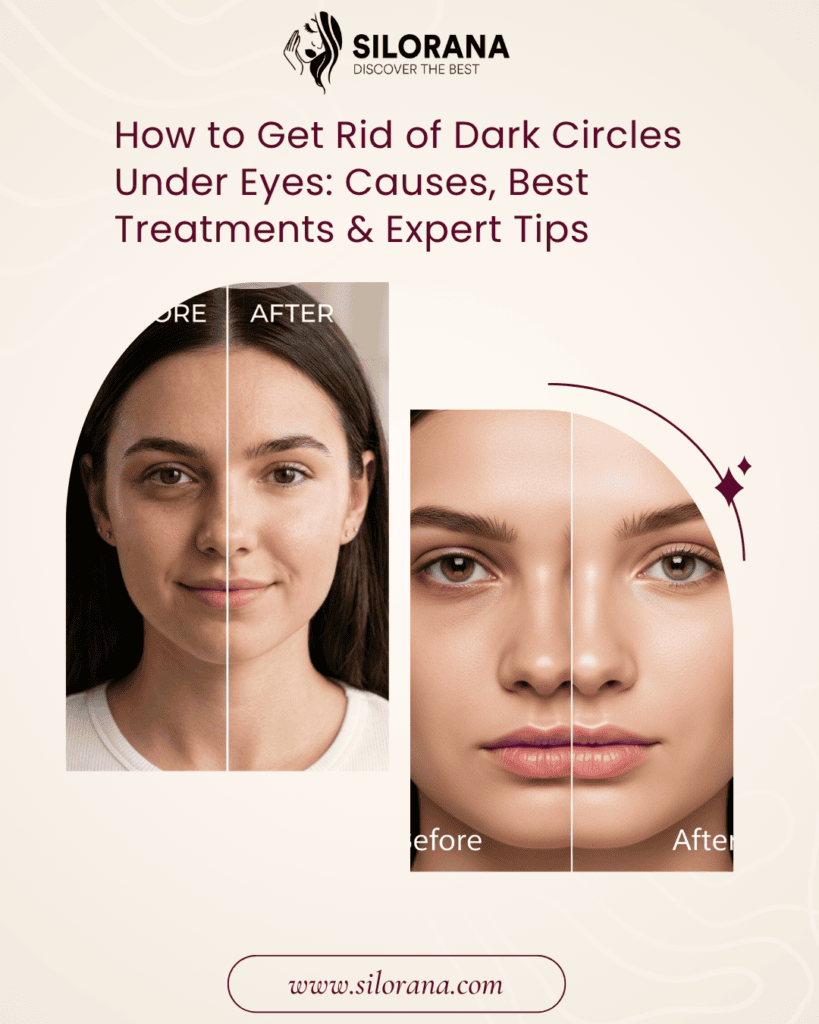
Don’t forget to share these tips with your friends to always have stable and bright makeup, and hair. If you need more details or want additional advice, do not hesitate to visit our website frequently.
What Are Dark Circles Under the Eyes?
Dark circles are areas of discoloration under the eyes that appear darker than the surrounding skin. Depending on your skin tone and the underlying cause, they can look blue, purple, brown, or black. They affect people of all ages, all skin types, and all skin tones — and contrary to popular belief, they’re not always a sign of exhaustion.
Understanding why you have dark circles is the most important step toward actually treating them, because the right solution depends entirely on the cause.
The 8 Real Causes of Dark Circles
1. Genetics — The Most Common Cause You Can't Control
If your parents or grandparents had dark circles, there’s a good chance you’ll have them too. Genetics determine skin thickness under the eyes, how much melanin your skin naturally produces, and the structure of your blood vessels — all of which directly influence how dark your under-eye area appears.
People with deeper skin tones are more prone to under-eye hyperpigmentation due to naturally higher melanin levels. When those pigment-producing cells become overactive, discoloration can appear in shades of brown, purple, or blue.
What helps: Brightening eye creams with Vitamin C, Niacinamide, and Kojic Acid can visibly reduce the appearance of genetic dark circles over time. Consistency is everything.
Don’t forget to share these tips with your friends to always have stable and bright makeup, and hair. If you need more details or want additional advice, do not hesitate to visit our website frequently.
2. Lack of Sleep and Poor Sleep Quality
This is the one most people assume is the cause — and while it’s not always the culprit, it absolutely makes existing dark circles worse. When you’re sleep-deprived, your skin becomes paler, making blood vessels beneath the thin under-eye skin more visible. Fluid also tends to pool under the eyes overnight, causing puffiness that casts shadows.
Your sleeping position matters too. Sleeping face-down causes fluid to gather under your eyes, making both puffiness and dark circles more noticeable in the morning.
What helps: Aim for 7–9 hours of quality sleep. Sleep on your back with your head slightly elevated on two pillows to prevent fluid pooling.
Read also about the Best 5 steps to moisturize dry skin during winter
Read also about The perfect skin care routine: How to always get radiant skin?
3. Aging and Volume Loss
As we age, the skin under our eyes becomes thinner and loses collagen. The fat pads that once cushioned the area shrink and shift downward, leaving hollow areas called tear troughs. These hollows create shadows that appear as dark circles — even when there’s no actual pigmentation change.
At the same time, the bones around the eyes widen slightly with age, deepening those shadows further.
What helps: Eye creams with Peptides, Retinol, and Hyaluronic Acid can help slow this process by boosting collagen and maintaining hydration. For more advanced volume loss, tear trough fillers (hyaluronic acid injections) are the most effective clinical solution.
4. Sun Exposure and Hyperpigmentation
Excessive sun exposure triggers your skin to produce more melanin as a protective response. Since the skin around your eyes is exceptionally thin and delicate, it’s particularly vulnerable to sun-induced hyperpigmentation — resulting in permanently darker pigment in that area.
What helps: Daily SPF is non-negotiable. Apply a dedicated eye-area SPF or a broad-spectrum sunscreen every morning, even on cloudy days. Look for eye creams that include SPF or apply your regular sunscreen carefully around (not into) the eye area.
5. Dehydration
When your body is dehydrated, the skin under your eyes appears dull and sunken — making dark circles look significantly worse. The under-eye area is one of the first places dehydration shows up on the face because the skin there is so thin.
What helps: Drink at least 8 glasses of water daily. Use a hydrating eye cream with Hyaluronic Acid or Glycerin to lock moisture into the under-eye skin from the outside as well.
6. Allergies
Allergic reactions cause the release of histamines, which dilate blood vessels and trigger inflammation. This is why allergy season often comes with noticeably darker, puffier under-eyes. Constant rubbing of itchy eyes also damages the delicate skin and blood vessels in that area, worsening discoloration over time.
What helps: Treat the underlying allergy with antihistamines. Avoid rubbing your eyes — use a cold compress instead when they feel irritated.
7. Iron Deficiency and Poor Circulation
A diet low in iron leads to reduced oxygen in the blood, which causes blood vessels to appear darker and more prominent. Poor circulation — whether from an iron deficiency, poor diet, or lifestyle factors like smoking and excessive alcohol — has a very visible effect on the under-eye area.
What helps: Get your iron levels checked by a doctor. Incorporate iron-rich foods (spinach, lentils, lean red meat) into your diet. Caffeine-based eye creams can temporarily constrict blood vessels and reduce their visible appearance.
8. Lifestyle Factors — Alcohol, Smoking, and Stress
Alcohol dehydrates the skin and dilates blood vessels, making dark circles more prominent. Smoking reduces collagen production and restricts blood circulation, causing skin around the eyes to appear thin and discolored. Chronic stress elevates cortisol levels, which breaks down collagen and accelerates aging of the skin.
What helps: Reducing alcohol intake, quitting smoking, and managing stress through exercise, meditation, or sleep are the highest-impact lifestyle changes you can make for the under-eye area.
How to Get Rid of Dark Circles: Proven Treatments
Home Remedies That Actually Work
Cold Compress Applying a cold compress (two chilled spoons, a bag of frozen peas wrapped in a cloth, or refrigerated tea bags) constricts dilated blood vessels and reduces both puffiness and the appearance of dark circles. Apply for 10 minutes each morning for best results.
Chilled Green or Black Tea Bags Caffeinated tea contains both caffeine and antioxidants. The caffeine constricts blood vessels while the antioxidants reduce inflammation. Steep two bags, refrigerate them, then rest them on closed eyes for 10–15 minutes.
Almond Oil Massage Rich in Vitamin E and Vitamin K, almond oil has been used traditionally to brighten the under-eye area. Gently massage a few drops around your eyes before bed using your ring finger (lightest pressure) in an outward circular motion. Never tug or pull at the skin.
Cucumber Slices Cucumber contains antioxidants and has a natural cooling effect that reduces puffiness and soothes the under-eye skin. Place chilled slices on closed eyes for 10–15 minutes.
Elevating Your Head While Sleeping This simple change prevents fluid from pooling under your eyes overnight, reducing the puffiness that worsens the appearance of dark circles in the morning.
Skincare Ingredients That Target Dark Circles
Not all eye creams are created equal. These are the ingredients that dermatologists and skincare experts actually recommend for dark circles:
| Ingredient | What It Does | Best For |
|---|---|---|
| Vitamin C | Inhibits melanin production, brightens skin | Pigmentation-based dark circles |
| Caffeine | Constricts blood vessels, reduces puffiness | Vascular (bluish) dark circles |
| Retinol | Boosts collagen, thickens under-eye skin | Aging-related dark circles |
| Niacinamide | Reduces hyperpigmentation, improves skin barrier | All types |
| Hyaluronic Acid | Plumps and hydrates the under-eye area | Hollow, dehydrated under-eyes |
| Peptides | Stimulate collagen production | Thin skin, aging-related |
| Kojic Acid | Lightens pigmentation | Stubborn hyperpigmentation |
| Vitamin K | Reduces blood vessel visibility | Vascular (purplish) dark circles |
Best Eye Creams for Dark Circles (Silorana Expert Picks)
Based on our expert testing and verified customer reviews, these are the top-performing eye creams for dark circles across different budgets:
| Product | Key Ingredients | Best For | Price Range |
|---|---|---|---|
| CeraVe Eye Repair Cream | Ceramides, Hyaluronic Acid, Niacinamide | All skin types, sensitive skin | Budget-friendly |
| Kiehl’s Creamy Eye Treatment | Avocado, Beta-Carotene | Dry, dehydrated under-eyes | Mid-range |
| Olay Eyes Brightening Cream | Vitamin C, SPF 15 | Pigmentation + sun protection | Budget-friendly |
| Charlotte Tilbury Magic Eye Rescue | Peptides, Hyaluronic Acid | Aging-related, luxury option | Premium |
| La Mer Eye Concentrate | Miracle Broth, Sea Kelp | Severe aging + volume loss | Luxury |
| Neutrogena Rapid Dark Circle Repair | Retinol, Hyaluronic Acid | Budget retinol option | Budget-friendly |
Silorana Tip: Apply eye cream using only your ring finger — it naturally applies the least pressure. Tap, never rub, around the orbital bone. Using too much product too close to the lash line can cause products to migrate into the eye and cause irritation.
How to Cover Dark Circles With Makeup (The Right Way)
While you work on treating dark circles over time, makeup can be your best ally for immediate coverage. Here’s the Silorana expert technique:
Step 1 — Color Correct First Dark circles with blue or purple tones need a peach or salmon color corrector to neutralize them before concealer. Darker skin tones may need an orange-toned corrector. Apply a small amount directly to the dark area and blend gently.
Step 2 — Apply a Hydrating Eye Primer This prevents your concealer from creasing and extends its wear throughout the day.
Step 3 — Concealer — One Shade Lighter Than Your Foundation Use a concealer that is one shade lighter than your skin tone for a brightening effect. Apply in a small triangle under the eye (pointed toward the cheek) rather than just in a straight line — this lifts the face and covers the shadow more effectively.
Step 4 — Blend with a Damp Beauty Sponge Stipple (tap) the concealer in — don’t drag or swipe — to avoid creasing and achieve a natural finish.
Step 5 — Set with Translucent Powder Use a fluffy brush to lightly dust translucent powder under the eye. This locks in the concealer and prevents creasing throughout the day.
Clinical and Professional Treatments
For dark circles that don’t respond to skincare or lifestyle changes, professional options include:
Chemical Peels — Alpha-hydroxy acids exfoliate excess pigment and stimulate new skin growth. Effective for hyperpigmentation-based dark circles.
Laser Therapy — Pulsed dye and fractional CO2 lasers can reduce pigmentation and thicken the under-eye skin, reducing both discoloration and shadowing.
Hyaluronic Acid Fillers (Tear Trough Fillers) — The most effective treatment for hollow, aging-related dark circles. A small amount of filler restores lost volume and eliminates the shadow. Results last 6 months to 2 years.
Platelet-Rich Plasma (PRP) Injections — Uses your own blood plasma to stimulate collagen production and repair under-eye skin. Particularly effective for thin skin and age-related dark circles.
Always consult a board-certified dermatologist or cosmetic physician before pursuing clinical treatments.
Your Daily Routine to Reduce Dark Circles Over Time
The most effective approach combines consistent skincare, lifestyle adjustments, and smart product choices. Here’s the routine Silorana recommends:
Morning:
- Gently cleanse face
- Apply a Vitamin C serum (including the under-eye area)
- Apply a brightening eye cream with Caffeine or Niacinamide
- Apply SPF 50+ sunscreen — including carefully around the eyes
Evening:
- Double cleanse to remove all makeup and SPF
- Apply a Retinol or Peptide eye cream around the orbital bone
- Follow with a rich, hydrating moisturizer
- Sleep on your back with head slightly elevated
Weekly:
- Apply an under-eye sheet mask or hydrogel eye patches 2x per week for an intensive hydration boost
Remember: Most skincare ingredients need 8–12 weeks of consistent use to show visible results. Take a before photo on Day 1 and check again at Week 12.
Conclusion:Final Thoughts from Silorana
Dark circles are one of the most searched beauty concerns in the world — and for good reason. They affect confidence, they’re stubborn, and they’re often misunderstood. The good news is that with the right understanding of your specific type of dark circle, you can dramatically reduce their appearance.
Whether you start with a Vitamin C eye cream from the drugstore, improve your sleep habits, or book a consultation for tear trough fillers — every step brings you closer to a brighter, more refreshed under-eye area.
Have a product that’s made a real difference to your dark circles? Share it with the Silorana community — we feature the best reader recommendations in our monthly roundups.
Don’t forget to share these tips with your friends to always have stable and bright makeup, and hair. If you need more details or want additional advice, do not hesitate to visit our website frequently.
Fifth: Frequently asked questions about how to get rid of dark circles under eyes
1: Can dark circles go away permanently?
It depends on the cause. Dark circles caused by lifestyle factors — such as poor sleep, dehydration, or allergies — can be significantly reduced or eliminated by addressing those root causes. Dark circles caused by genetics, aging, or deep hyperpigmentation are harder to permanently eliminate, but they can be dramatically reduced with consistent use of the right skincare ingredients (Vitamin C, Retinol, Niacinamide) and professional treatments like laser therapy or fillers.
2: Why do I have dark circles even when I sleep 8 hours a night?
Sleep is only one of many causes of dark circles. If you’re sleeping well and still have them, the most likely causes are genetics (thin skin under the eyes, visible blood vessels), hyperpigmentation, volume loss from aging, dehydration, or a dietary deficiency (especially iron). A targeted skincare routine with brightening and collagen-boosting ingredients will be more effective than sleep alone.
3: Does drinking more water really help with dark circles?
Yes — but only if dehydration is contributing to them. When skin is dehydrated, it appears thinner and more sunken, making dark circles more pronounced. Drinking 8+ glasses of water daily and using a hydrating eye cream with Hyaluronic Acid will help if dehydration is a factor. If your dark circles are primarily genetic or pigmentation-based, hydration alone won’t be enough.
4: What is the fastest way to reduce dark circles?
The fastest short-term solution is a cold compress (chilled spoons or refrigerated tea bags) applied for 10 minutes — this constricts blood vessels and reduces puffiness immediately. For same-day coverage, use a peach color corrector followed by a brightening concealer applied in a triangle shape under the eye. For long-term results, Vitamin C serum used consistently every morning is the most evidence-backed skincare approach.
5: At what age do dark circles typically start appearing?
Absolutely. UV rays, high humidity, and pollutants accelerate chemical reactions in foundation.
Using antioxidant serums and SPF protection before applying makeup helps reduce the impact of environmental stressors.